News and stories

Find news, helpful tips, platform updates, and insightful stories from the Mable community.

Community

Real stories from our diverse community of clients and independent support workers.

The art of deep sea diving ... in a wheelchair
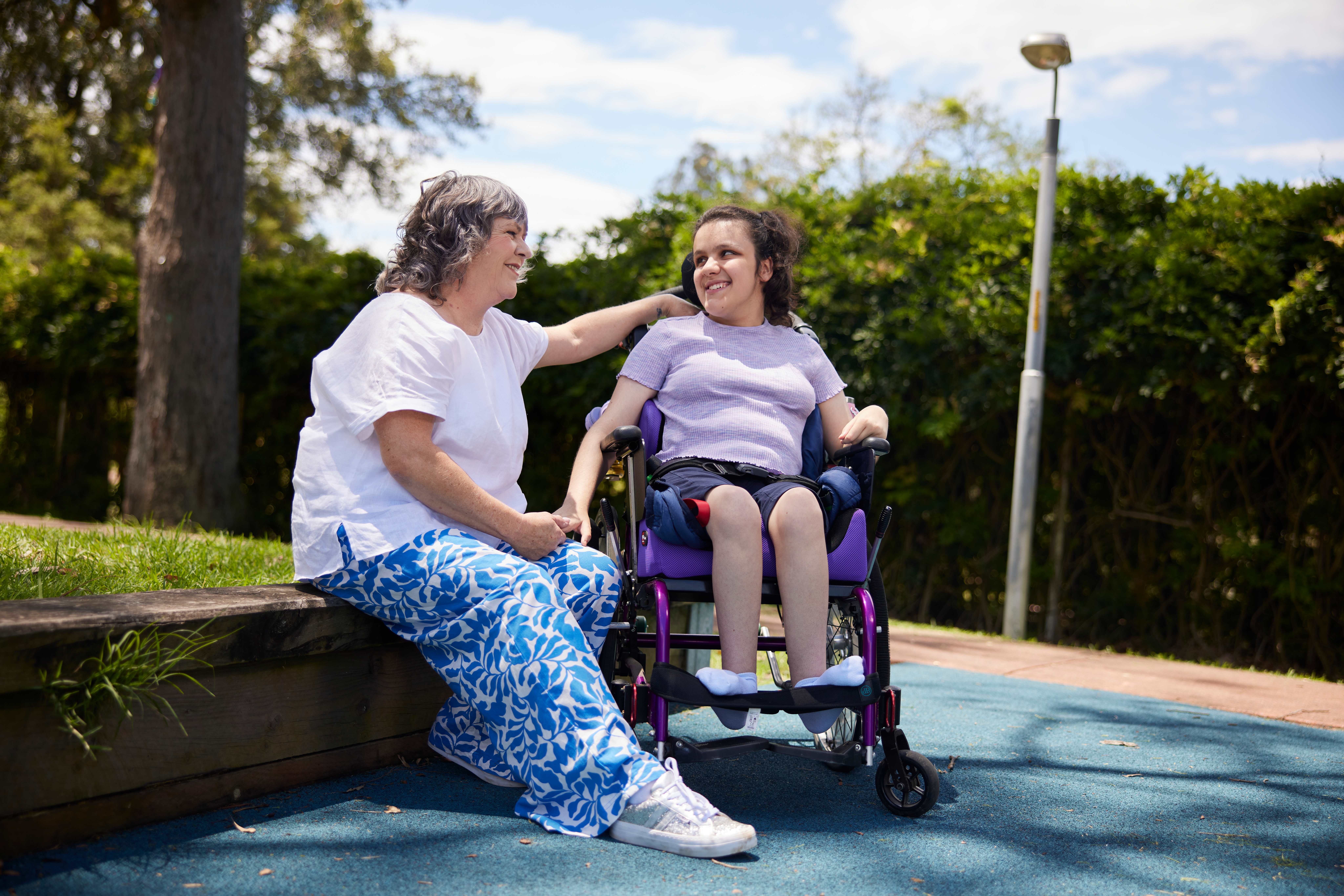
Sue Austin started using a wheelchair after  an extended illness. Through the experience, she speaks of finding   a tremendous new freedom.  " I'd seen my life slip away and become restricted. It was like having an enormous new toy. I could whiz around and feel the wind in my face again. Just being out on the street was exhilarating." But even though Sue had this newfound joy and freedom, she said people's reaction completely changed towards her.  " It was as if they couldn't see me anymore, as if an invisibility cloak had descended. They seemed to see me in terms of their assumptions of what it must be like to be in a wheelchair. When I asked people their associations with the wheelchair, they used words like "limitation," "fear," "pity" and "restriction." I realised I'd internalised these responses and it had changed who I was on a core level. A part of me had become alienated from myself. I was seeing myself not from my perspective, but vividly and cont
Meet Shane, independent worker on Mable
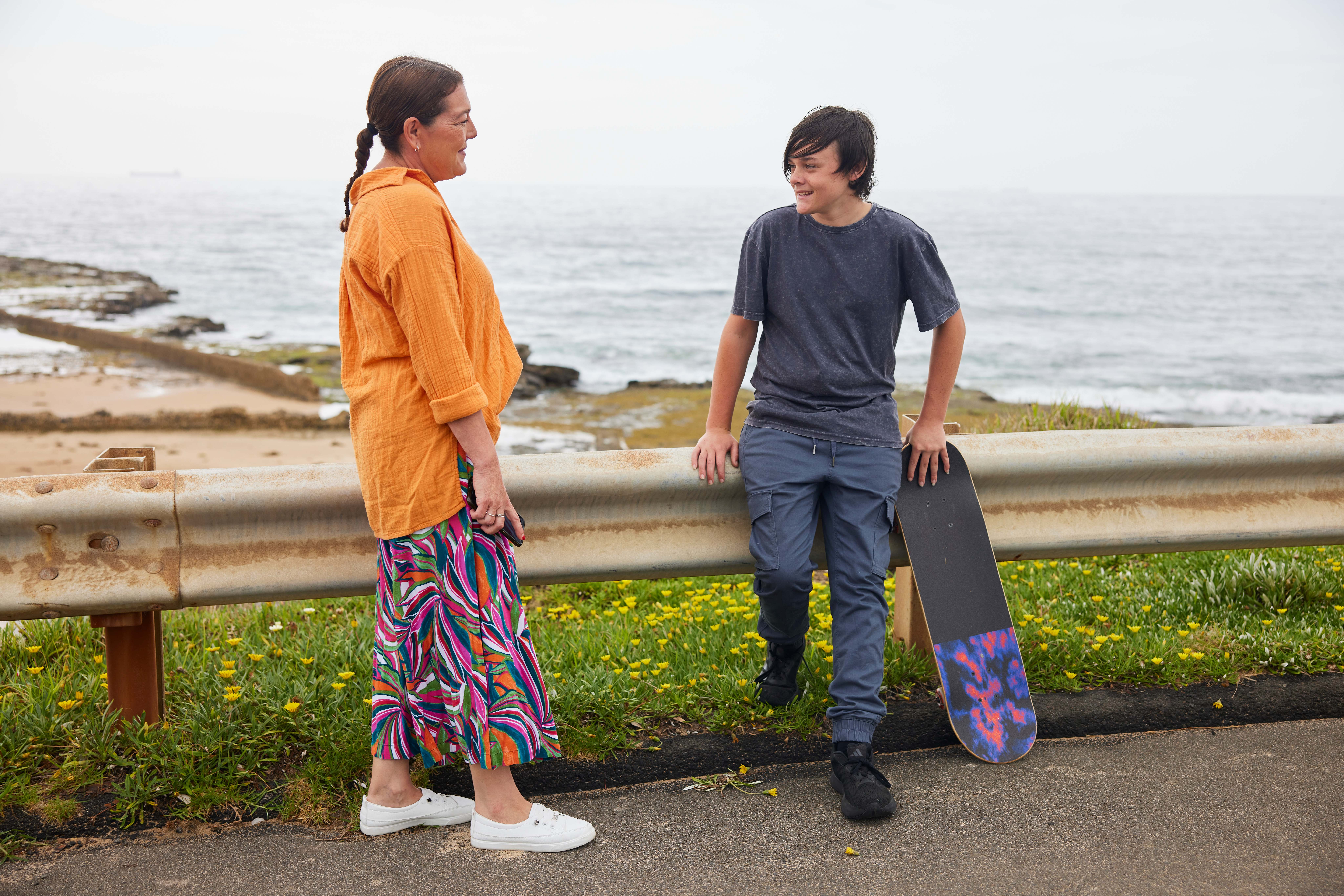
We talked to Mable worker, Shane, who is juggling a full-time role in aged care and a young family to do what he enjoys best: spending time with clients. "I’ve worked in aged care for the past five years. I’m now in a management role so I joined Mable for some extra income and to spend more time face to face with people. I heard about Mable at a community talk and thought, “Why not give it a go?” I have a few regular clients. For some, I offer social support. Last week, I went with a client on a walk, talk and a coffee stopover and I just listened while she reminisced about her life. She got a lot of joy out of connecting. I like hearing and learning from people about their life and history. It really has shaped who I am today. I’ve developed a very meaningful relationship with these clients. It’s something that’s close to my heart. I also have younger clients whose parents and carers teach me so much about their experience of autism, their triggers and how to engage with them. I just
Meet Tracy, independent support worker on Mable
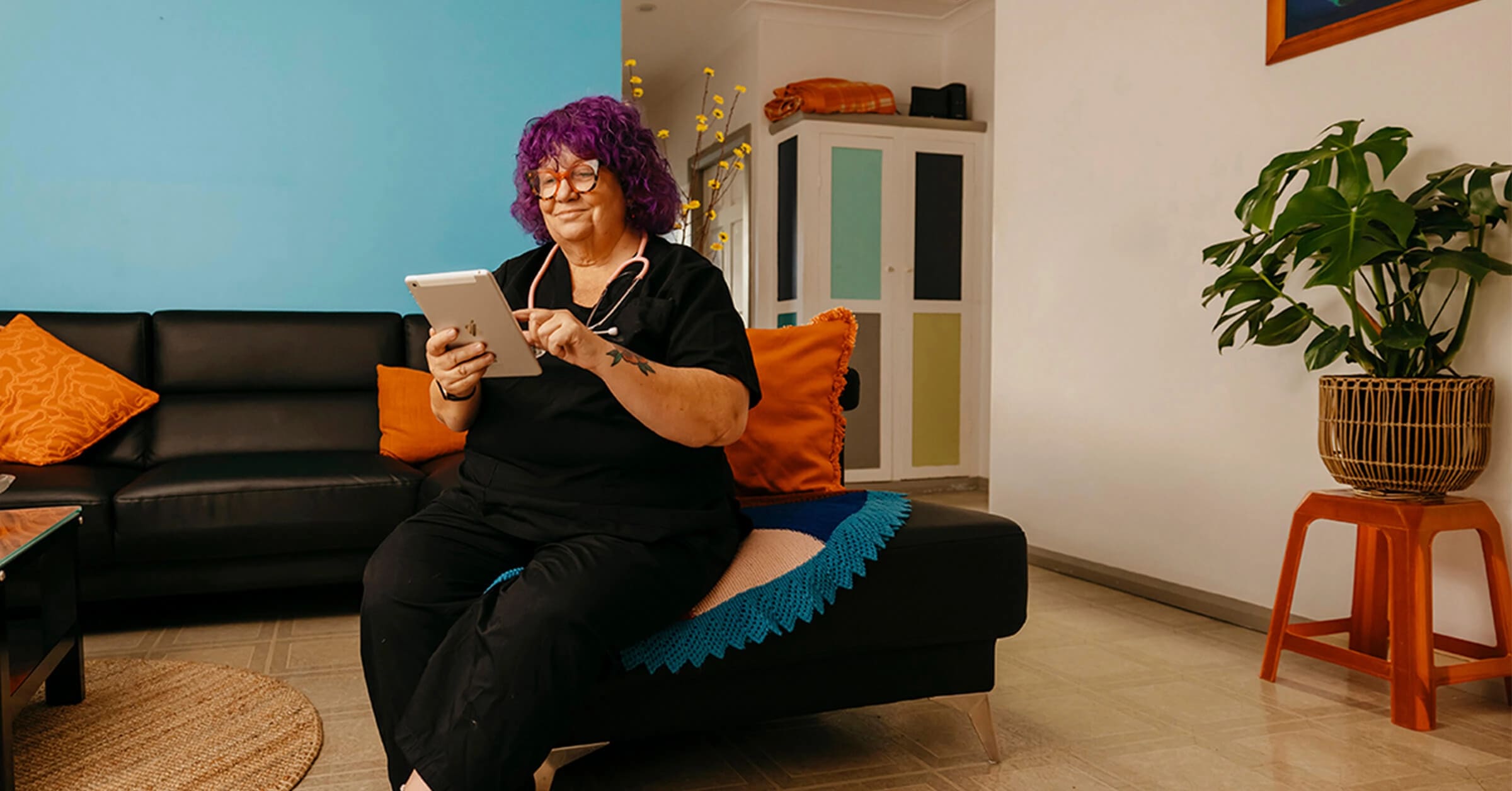
Tracy, who is based in Blue Mountains NSW, left her full-time job with a provider to sign up to Mable. This is her story. "I’d wanted to be a self-employed independent support worker for a long time but didn’t know how to do it. I worked with a provider for many years before I came onto the Mable platform. There were things I wanted to do with the people I supported, but felt like I was restricted by the organisation’s rules. The service provider was in charge, not the client. When I became an independent support worker through Mable, the people I supported decided to come with me. Now, the balance of power has shifted; I’m directed and guided by the person I support, negotiation is between me and them. I get to provide true person-centred support. Mable is a way to do what I always wanted to. It runs so easily. I feel supported by the people at Mable and they’re aligned with my philosophy. Most people I support live independently and are NDIS-managed , so Mable is great for them. Muc

Learn

Helpful articles and resources for the Mable community.

Top tips on writing your Mable support worker bio
If you're an independent support worker on Mable, your bio is an opportunity to tell clients about yourself. Your bio sits directly underneath your profile photo and can include details about you, such as: Your motivation for becoming a support worker Your interests and hobbies (for example, hiking) Your skills (for example, you play the piano) Your background and experience Your achievements Your personality traits or qualities (for example, your organisational skills). A well-written bio can lead to connecting with more clients, potentially leading to more bookings. It can be tricky to write about yourself, so we've sourced some tips to help you write the best Mable profile possible. Dos and don'ts Top tips Your bio should be concise, including only relevant information. Aim for 150-200 words Highlight your achievements Have your most important information at the beginning, not in the middle or the end Sound professional and approachable Ensure your bio has correct spelling and g
Actively supporting your client’s goals
As an independent support worker, you can support your clients to achieve the goals in their NDIS plan or care plan. By getting to know your client and through building a strong relationship, you will achieve more successful outcomes together. Here are some tools to help you get started. If your client has NDIS funding, they will have a plan with a set of goals which have been mutually agreed upon during their planning meeting with the NDIA. Goals are reviewed by the NDIA, usually every 12 months, to see how outcomes are tracking. For clients who are ageing, anyone with a Home Care Package will have a care plan they’ve developed with the provider who hosts their funding. This includes both goals and care needs and is also reviewed every 12 months. Tracking your progress together Before you get started, ask your client what goals you are being hired to support them with, and establish the desired outcomes. It’s a good idea to review these goals periodically with your client and docum
5 ways to help loved ones live independently
As your parent or loved one age, it can be difficult for them to receive the care they need while maintaining the level of independence they want. We know most people prefer to remain in their homes as they age, maintaining their privacy and independence. However, not having medical help on hand can pose a threat should an accident or medical issue arise. Here are 5 ways to help a loved one live independently and safely. 1. Get things delivered It’s important seniors eat a healthy diet to maintain their physical and mental health. However, as we age, maintaining a balanced diet can be difficult. Some seniors are no longer confident to drive or move around supermarkets and wait in line. Luckily, we can now get a lot of essentials delivered. With online shopping and same-day delivery increasing across Australia, it's easier than ever to get everyday essentials delivered to our doors. By now, almost 80% of baby boomers regularly use the internet, so your loved one is likely confident brow